

Have you ever wondered what the future of coffee might look like? Picture this: your morning brew is crafted to your exact taste, your beans are grown with the help of AI-powered farming, and every roast is fine-tuned to perfection. Sounds like something out of sci-fi, right? Well, it’s not the future. It’s happening right now.
Artificial intelligence (AI) is quietly reshaping the coffee world, from the way beans are grown to how they’re roasted and even brewed at home. And it’s arriving at a moment when coffee, especially specialty coffee, has never been more culturally relevant.
Specialty coffee isn’t niche anymore. According to the 2025 National Coffee Data Trends report, 46 percent of U.S. adults drank specialty coffee yesterday, surpassing traditional coffee for the first time. That figure represents an 84 percent increase since 2011, showing just how mainstream quality-driven coffee has become. Coffee itself remains deeply woven into daily life too, with around 66 percent of Americans reporting that they drank coffee on any given day in 2025. In other words, before we even talk about smart tech, coffee is already a massive part of how we live.
Against that backdrop, AI is stepping in to make the experience smarter, more consistent, and more personal than ever. Let’s take a look at how it’s slipping into your daily cup.
AI in Crop Management
The next time you sip your flat white or filter, take a moment to think about the journey those beans took to reach you. Coffee farming has always been a bit of a rollercoaster, with climate change, pests, and unpredictable weather making it increasingly challenging. Now, farmers are getting a digital helping hand.
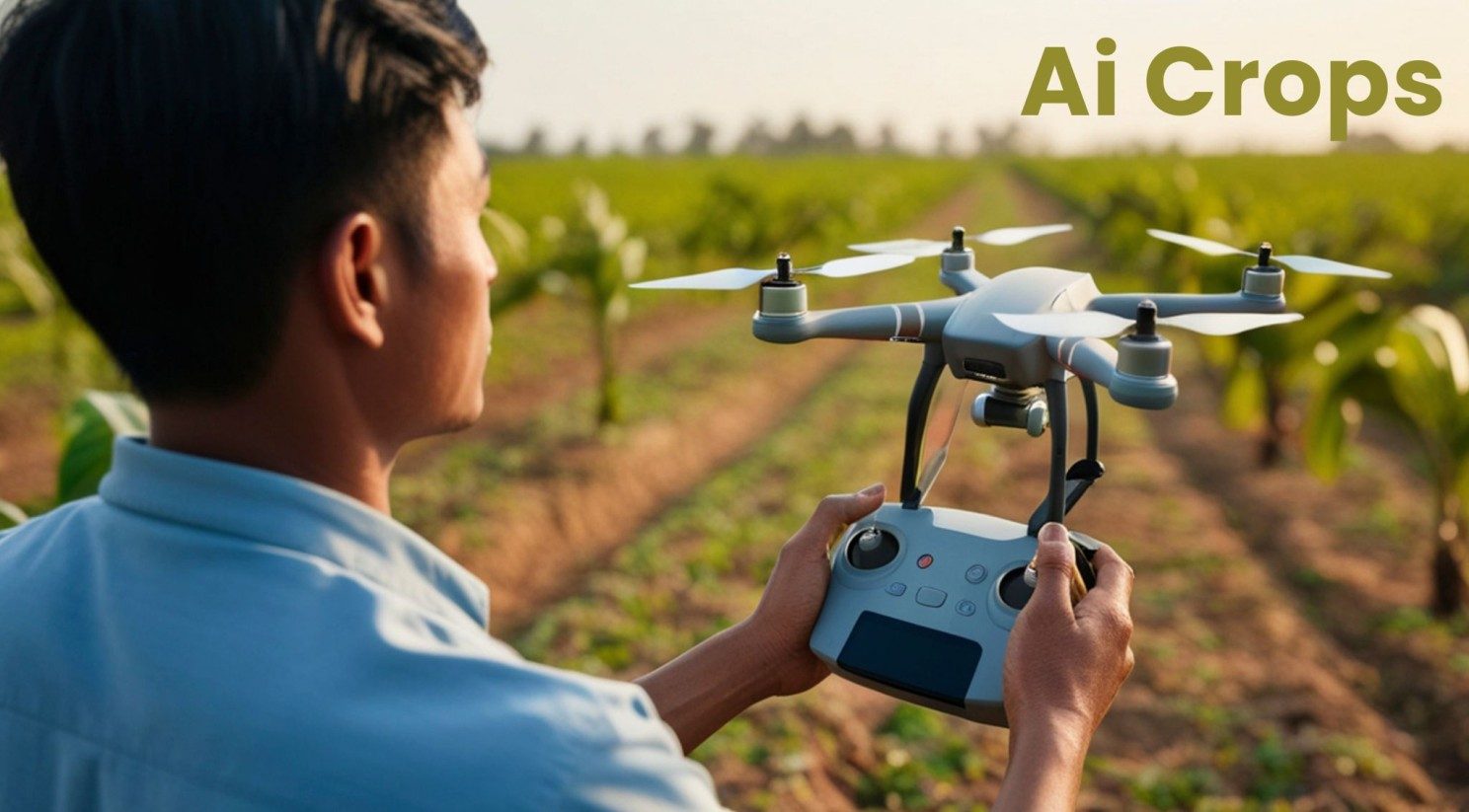
AI tools like machine learning, satellite imagery, and smart sensors give growers real-time insights into soil health, rainfall, and plant diseases. This allows them to make precise adjustments, such as watering only the areas that need it or spotting pest issues before they
spread. Some farms even use AI-powered drones to scan entire plantations, zooming in on plants that need extra care.
Here’s where it starts to feel futuristic. Predictive AI models are being trained to forecast extreme weather events, helping farmers prepare for droughts or storms before they arrive. That kind of foresight could be crucial as coffee-growing regions adapt to a rapidly changing climate.
AI in Quality Control
If you’ve ever bought the same coffee twice and thought, this tastes a little different, you’ll know how tricky consistency can be. That’s where AI really shines.
AI-powered cameras and sensors can now assess beans at every stage of production, sorting them by size, colour, and quality with remarkable accuracy. Fewer defective beans make it through, which means better flavour and more reliable results for roasters and drinkers alike.
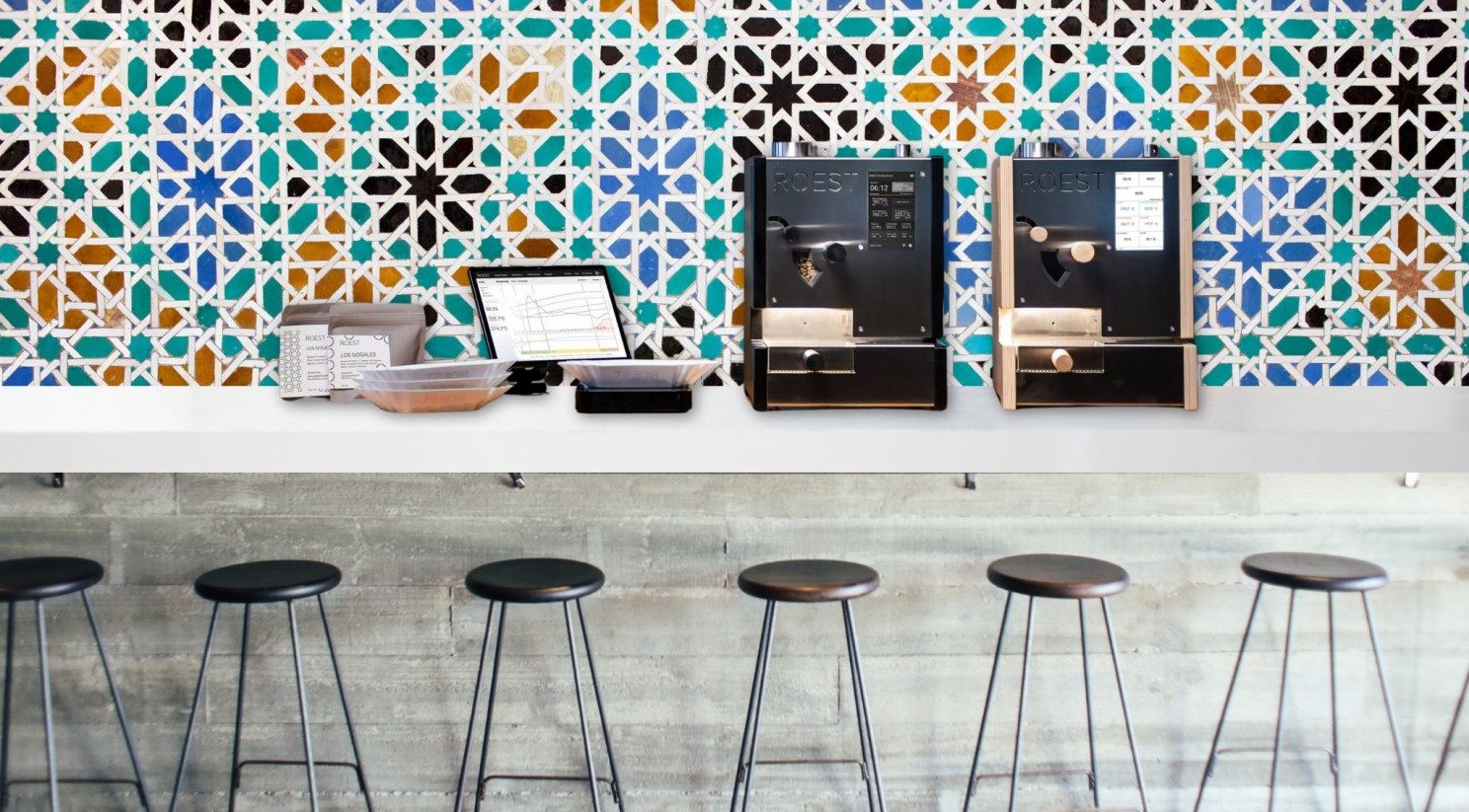
Roasting is getting smarter too. Alongside a roaster’s experience and intuition, AI-enabled machines can monitor bean density, moisture levels, and temperature changes in real time. They make tiny adjustments as the roast progresses, helping each batch stay balanced and even. It’s not about replacing craft, but supporting it with precision.
With demand for high-quality coffee continuing to rise, that level of consistency matters more than ever. Independent market research estimates the global specialty coffee market was worth around $101.6 billion in 2024 and could reach $183 billion by 2030. As consumers increasingly seek out premium, artisanal coffee experiences, tools that help maintain quality at scale are becoming essential.
AI in Personalized Coffee Blends
This is where things get especially interesting. AI isn’t just helping behind the scenes, it’s starting to influence what ends up in your cup.
Companies like Trade and Beanz use AI-powered quizzes to match people with coffees suited to their tastes. Fruity or nutty? Light or bold? The system analyses your answers and points you toward beans you’re likely to enjoy.
I actually tried one of these quizzes myself recently, mostly out of curiosity. I half expected it to recommend something completely off, but it nailed it. A bright, fruity Ethiopian that was exactly my kind of coffee. It felt like having a coffee expert quietly paying attention, and it made me think about how helpful this could be for anyone who feels overwhelmed by choice.
Younger drinkers, in particular, are driving this shift toward personalised and quality-led coffee. In 2025, 64 percent of Americans aged 25 to 39 reported drinking specialty coffee in the past week, more than any other age group. That appetite for discovery and customisation is pushing brands to rethink how they connect people with coffee.
Some roasters are now experimenting with AI that adapts blends over time using customer feedback. Looking ahead, we might even see home machines that learn our preferences, adjusting grind size, brew time, and temperature automatically to deliver a near-perfect cup every morning.

The Future of AI in Coffee
So where is all of this heading? Towards coffee that’s smarter, more sustainable, and more personal than ever. From farms using predictive data to navigate climate challenges, to roasters and machines working together for consistency, AI is opening doors the industry didn’t even know were there.
That said, coffee has always been about more than technology. It’s about ritual, connection, and creativity. AI can improve consistency and efficiency, but it can’t replace the simple joy of brewing, sharing, and experimenting with coffee. Personally, that balance excites me. It feels like we’re keeping the heart of coffee while layering innovation on top.
So what do you think? Would you trust AI to craft your morning brew, or do you prefer a more hands-on approach? Share your thoughts in the comments. I’d love to hear how you feel about the future of coffee.
This article was crafted by Chelsea Keetley. Chelsea has spent the last four years immersed in the world of coffee, turning her passion into a mission to share the stories behind every cup. Whether perfecting a brew or exploring sustainable coffee practices, she’s driven to spark curiosity and connection in every sip.