

For a long time, decaf coffee had a reputation problem. It was the drink you ordered reluctantly when you wanted to feel included without the buzz. Often flat, bitter, or oddly sour, decaf seemed like a shadow of “real” coffee.
But that’s changing.
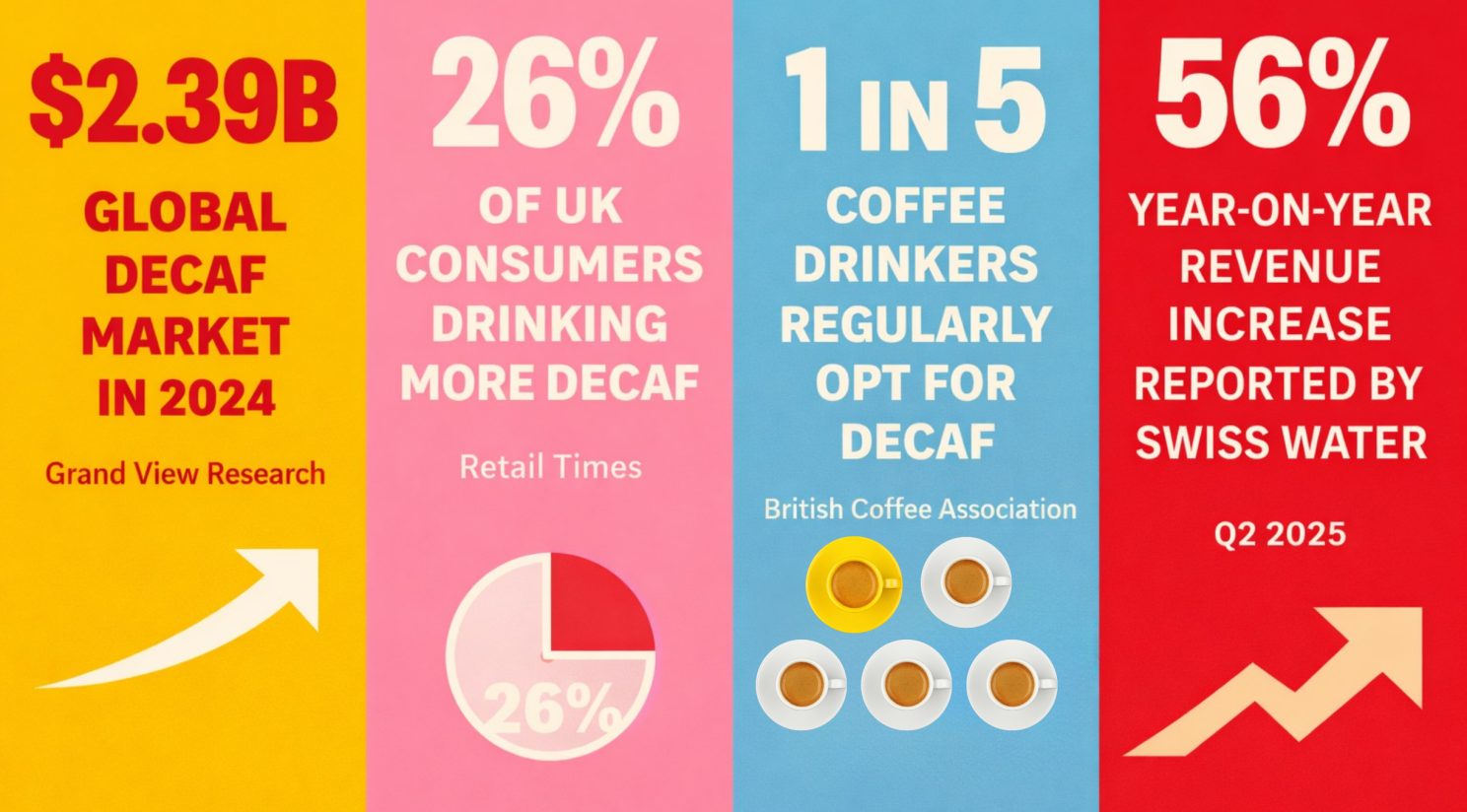
Thanks to modern decaffeination techniques, better bean sourcing, and a shift in consumer mindset, decaf is experiencing a quiet renaissance. The global decaf coffee market was valued at around $2.3 to $2.4 billion in 2024 (Grand View Research, Inc), with steady growth forecast over the rest of the decade. In coffee terms, that signals real, sustained demand. And yes, it is finally good.
The Science Behind the Sip: How Decaf Is Made
Decaffeination used to rely on harsh chemical solvents that stripped away not just caffeine, but much of the flavor too. The result was a weak, often metallic tasting brew that confirmed every coffee snob’s worst fears.
Today’s most respected processes, like the Swiss Water Process, are a game changer. This method uses only water, time, and temperature to gently remove caffeine while preserving the bean’s original flavor profile. It is chemical free, 99.9 percent caffeine free, and increasingly considered the gold standard for specialty decaf.
Other methods, like CO₂ or sugarcane ethyl acetate decaffeination, are also producing excellent results. These approaches allow roasters to match process to ethics, flavour, and customer preference.
A New Generation of Beans and Roasters
Part of the reason decaf used to taste so dull is that roasters did not treat it with the same care as their regular beans. Low grade beans and lacklustre roasting profiles were the norm.
That is changing fast. In the specialty coffee world, roasters are now sourcing high quality beans specifically for decaf and developing roast profiles that highlight origin characteristics like chocolate, citrus, or florals.
This shift reflects a broader trend. Around one in five coffee drinkers (British Coffee Association) now say they regularly choose decaf, not because they have to, but because they want to. You will now find Ethiopian decafs with juicy berry notes or Colombian decafs with rich caramel body, just without the caffeine.
Some roasters even offer single origin decafs, a clear sign that decaf is no longer an afterthought but a category with its own identity.
Who’s Drinking It?
The modern decaf drinker is not just someone who “can’t handle caffeine.” Many choose it for health reasons, better sleep, reduced anxiety, or simply to enjoy coffee later in the day without the jitters.
In the UK, over a quarter of consumers say they have increased their decaf consumption in the past year, this suggests it is an active choice rather than a fallback. There is also a growing interest in blending decaf and regular beans. The rise of the half caf reflects a more mindful and customisable approach to coffee.
Decaf fits neatly into a cultural shift toward balance rather than extremes.
My Personal Take
I will admit, I was once sceptical of decaf. It often felt like a second rate option, especially if you love the complexity and richness of good coffee.
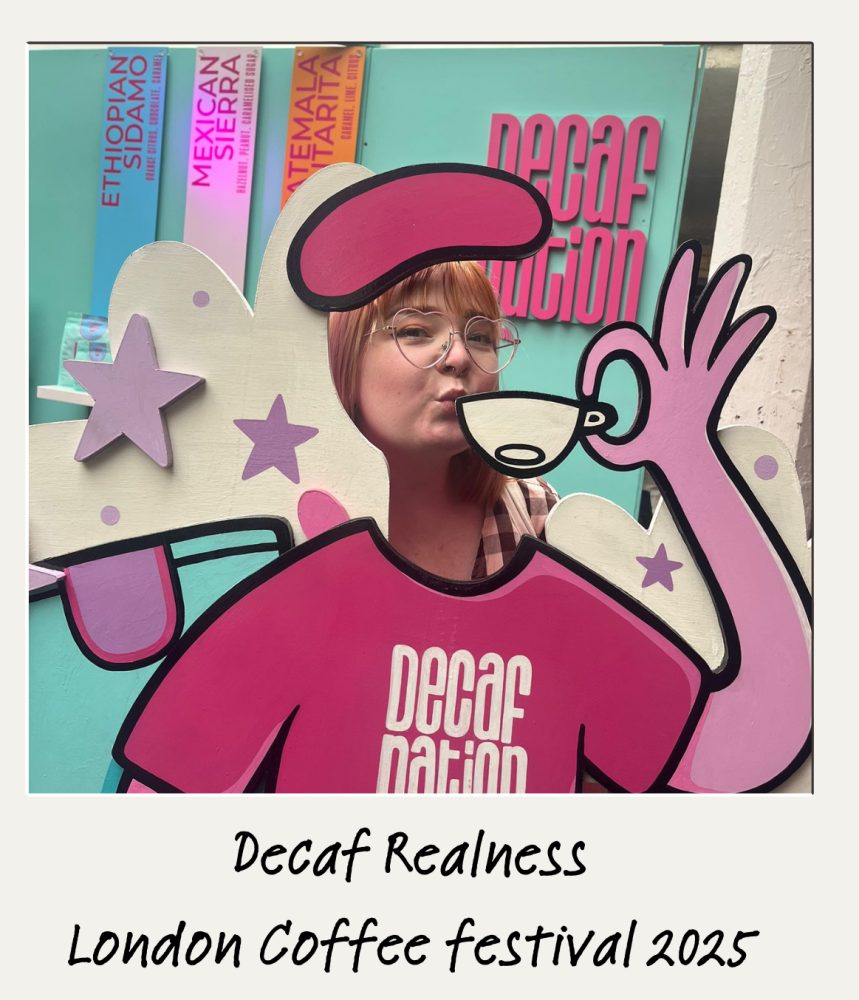
That changed when I visited the London Coffee Festival and tried a brew from Decaf Nation, a company dedicated entirely to specialty decaf. To my surprise, it tasted just like the real thing. Full bodied, balanced, and free from the flat or “off” note decaf used to carry.
It was clean, complex, and genuinely satisfying. You would never know it was caffeine free unless someone told you.
Since then, I have started keeping a bag of high quality decaf at home for late afternoons or evening cups, when I still want the comfort of coffee without sacrificing sleep. It is no longer a compromise. It is just another good choice.
The Decaf Future Looks Bright
Decaf is no longer the punchline it once was. With better processes, better beans, and more intention from roasters, it is carving out a credible space in specialty coffee culture.
Whether you are caffeine sensitive, cutting back, or simply curious, today’s decaf options are worth exploring and celebrating.
So next time someone says “decaf sucks,” hand them a cup of well brewed specialty decaf. Chances are, they will be surprised and maybe rethink what decaf can be.
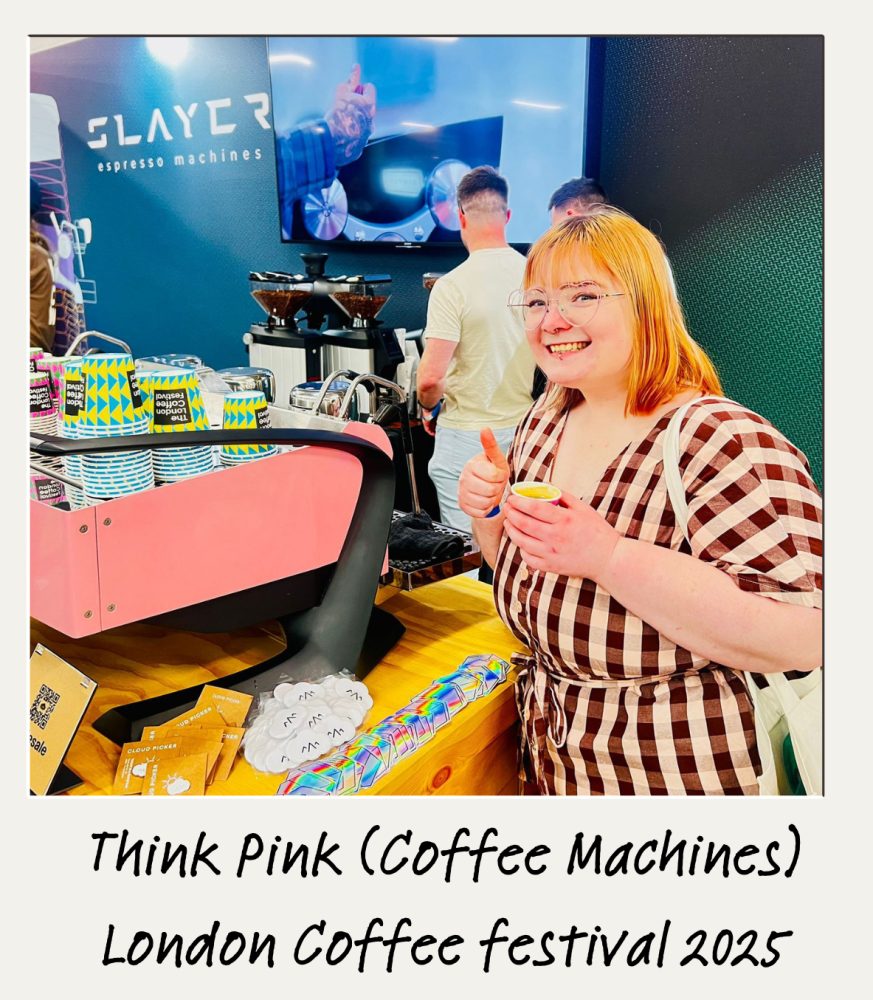
This article was crafted by Chelsea Keetley. Chelsea has spent the last four years immersed in the world of coffee, turning her passion into a mission to share the stories behind every cup. Whether perfecting a brew or exploring sustainable coffee practices, she’s driven to spark curiosity and connection in every sip.