

Every year, the coffee industry is responsible for millions of hectares of deforestation—yet your morning cup has the potential to drive real environmental change. As global demand for coffee grows, so too does its impact on our planet. But the good news? The industry is fighting back with innovative solutions that blend tradition with sustainability.
From farming practices to roasting and packaging, innovative approaches are reshaping how coffee is produced and consumed. Regenerative farming, carbon-neutral roasting, and eco-friendly packaging represent some of the most significant efforts to reduce environmental harm while fostering long-term sustainability. This article explores these critical topics and their role in building a more responsible coffee industry.
Regenerative Farming
Regenerative farming is a forward-thinking approach to agriculture that goes beyond sustainability, aiming to actively restore and improve the health of ecosystems. Unlike conventional farming, which often relies on heavy chemical inputs and can degrade soil, regenerative practices focus on rebuilding soil health, enhancing biodiversity, and creating more resilient farming systems.
At its core, regenerative farming prioritizes soil health by employing methods such as no-till farming, crop rotation, and cover cropping. These practices prevent soil erosion, boost water retention, and build organic matter, fostering a thriving ecosystem. By integrating diverse crops and livestock, regenerative farms mimic nature, reducing pests, improving soil fertility, and enhancing climate resilience.
Another key element of regenerative farming is carbon sequestration, as healthy soils enriched with organic matter act as carbon sinks, drawing CO2 from the atmosphere and mitigating climate change. Managed grazing systems further contribute by replicating natural herbivore behaviour, stimulating plant growth, and enriching soil nutrients.
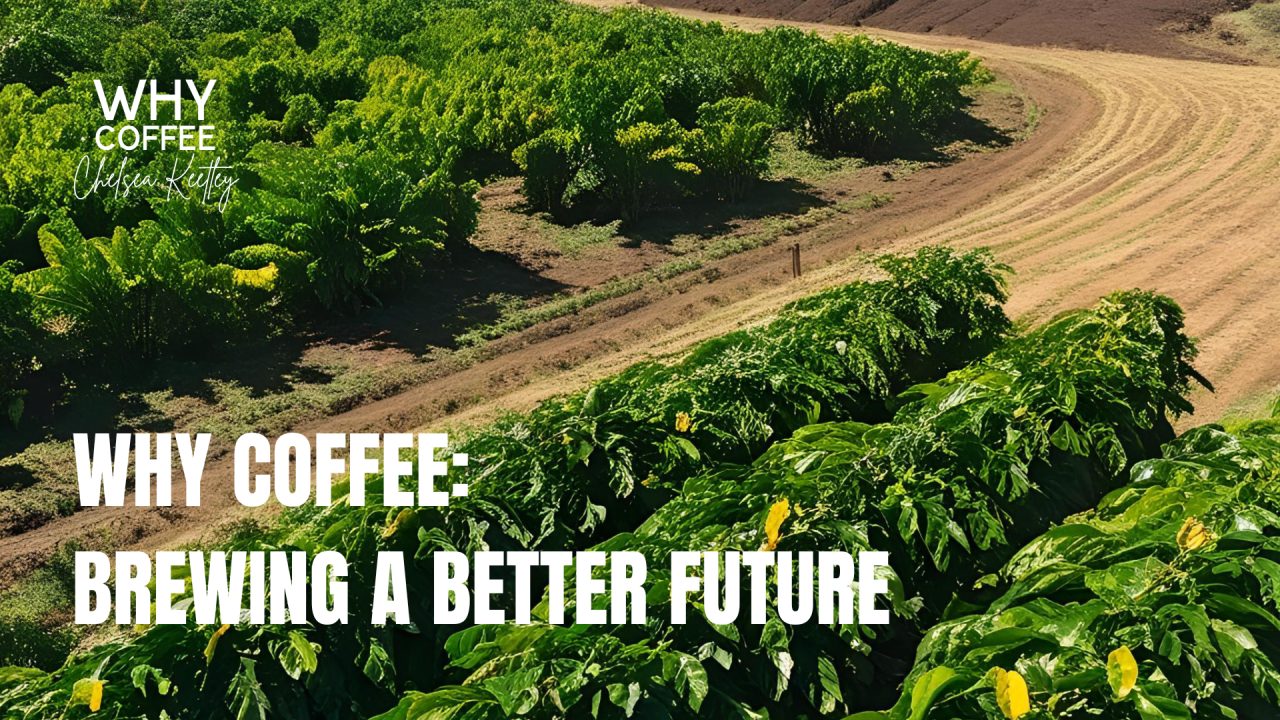
The coffee industry has embraced regenerative farming to combat environmental challenges like deforestation, soil erosion, and climate change. Practices such as shade-grown coffee and agroforestry have become critical tools for sustainable coffee production. Shade-grown systems mimic natural forests, providing habitats for wildlife, reducing the need for chemical inputs, and enriching the soil.
Agroforestry integrates trees with coffee plants, helping to combat deforestation while enhancing biodiversity. Many coffee companies are partnering with farmers to promote these methods, offering resources and incentives to support the transition away from conventional farming.
However, the shift to regenerative farming is not without its challenges. Upfront costs, a learning curve for farmers, and the time it takes to see tangible results can be barriers. Yet, the long-term benefits—healthier soils, more resilient ecosystems, and a reduced carbon footprint—make it a crucial investment for the future of farming and coffee production.
While sustainable farming tackles environmental impact at the source, what happens after the beans are harvested? Roasting—another major contributor to emissions—is undergoing its own transformation
Carbon Neutral Roasting
Carbon-neutral coffee roasting is an innovative approach that addresses the environmental impact of roasting, a significant contributor to the coffee industry’s carbon emissions. Traditional roasting methods often rely on fossil fuels or electricity, releasing substantial greenhouse gases. Carbon neutrality is achieved when the total emissions from roasting are balanced by reductions elsewhere or offset by capturing an equivalent amount of carbon from the atmosphere.
To achieve carbon neutrality, coffee roasteries employ several strategies. Many invest in energy-efficient equipment, such as electric or hybrid roasters, and switch to renewable energy sources like solar or wind power. Advanced heat recovery systems further reduce emissions by recycling heat from one roasting batch to the next.
For any unavoidable emissions, roasters purchase carbon offsets, funding initiatives like reforestation, renewable energy projects, or methane capture to counterbalance their environmental impact. Take Coffee Circle, for example. This Berlin-based roastery has invested in electric roasting technology powered entirely by renewable energy, cutting emissions without compromising quality. Others, like Counter Culture
Coffee, offset their carbon footprint through reforestation projects, proving that sustainability and great coffee can go hand in hand.
Carbon-neutral roasting aligns with growing consumer preferences for sustainability and plays a significant role in reducing the coffee supply chain’s carbon footprint. As global coffee consumption continues to rise, the adoption of these methods becomes increasingly essential. While challenges such as high upfront costs and reliance on carbon offset programs persist, the movement toward carbon-neutral roasting reflects the industry's commitment to environmental stewardship. Some roasters are even going beyond neutrality, striving for carbon-negative operations that remove more CO2 from the atmosphere than they emit.
Eco-Friendly Packaging
Packaging is one of the most visible sources of waste in the coffee industry. From takeaway cups to coffee bags, the environmental impact of single-use packaging has sparked widespread concern. In response, many roasters and cafes are adopting compostable and recyclable materials as sustainable solutions.
Compostable packaging is made from materials that break down into natural elements like water, carbon dioxide, and organic matter under the right conditions. This process typically occurs in industrial composting facilities, though some items are suitable for home composting. Coffee businesses now offer compostable products such as plant-based bioplastics, cornstarch coffee bags, and bio-coated paper cups, which reduce landfill waste and can be turned into nutrient-rich compost.
Recyclable packaging, on the other hand, focuses on closing the loop by reusing materials like aluminum coffee bags, PET plastic cups, and paper-based products. These items are processed through recycling systems to minimize resource consumption. Many roasters have introduced mono-material bags that are easier to recycle, while cafes partner with recycling programs to ensure proper disposal.
Despite their potential, both options face challenges. Compostable materials require specialized facilities that aren’t available in all areas, while recyclable materials depend on consumer compliance and local recycling systems. Additionally, sustainable packaging often comes at a higher cost, which can strain smaller businesses. Still, innovations like reusable systems,
biodegradable inks, and streamlined packaging materials are making eco-friendly packaging more accessible, helping the coffee industry reduce its environmental impact while meeting consumer demand for sustainability.
When I first started looking for sustainably packaged coffee, I’ll admit, I was overwhelmed by the options. It wasn’t always easy to tell which brands were truly making an effort and which were just jumping on the eco-friendly bandwagon. But as I dug deeper, I found that a lot of my favourite roasters were leading the charge in creating more sustainable packaging options—and that made me feel good about my coffee choices.
Now, I always check for certifications like ‘home compostable’ or ‘100% recyclable mono-material,’ and I’ve even switched to brands that offer reusable tin refill programs. Once I understood what to look for, I realised that sustainable choices weren’t as complicated as they first seemed
Toward a Sustainable Coffee Industry
The coffee industry is making meaningful strides in addressing its environmental impact. Regenerative farming, carbon-neutral roasting, and eco-friendly packaging represent transformative efforts that not only benefit the planet but also meet the expectations of increasingly eco-conscious consumers. While challenges remain, the collective adoption of these practices signals a hopeful future where coffee can be enjoyed responsibly without compromising the health of the earth.
For me, every cup of coffee is a chance to make a difference, even in small ways. I’ve started choosing coffee from roasters that prioritise sustainability and paying closer attention to how the beans are grown and roasted.
If you’re looking to make a positive impact, it doesn’t take much—every choice counts. As consumers, we hold the power to shape the future of the coffee industry. By choosing coffee that prioritises sustainability, we can all be part of a movement toward a more responsible, eco-friendly coffee culture.
Sustainability in coffee isn’t just up to producers. It’s in our hands too.
What’s one small change you’ve made (or are considering) to make your coffee habit more sustainable?
Let’s share ideas and inspire each other!
This article was crafted by Chelsea Keetley. Chelsea has spent the last four years immersed in the world of coffee, turning her passion into a mission to share the stories behind every cup. Whether perfecting a brew or exploring sustainable coffee practices, she’s driven to spark curiosity and connection in every sip.