

By Chelsea Keetley
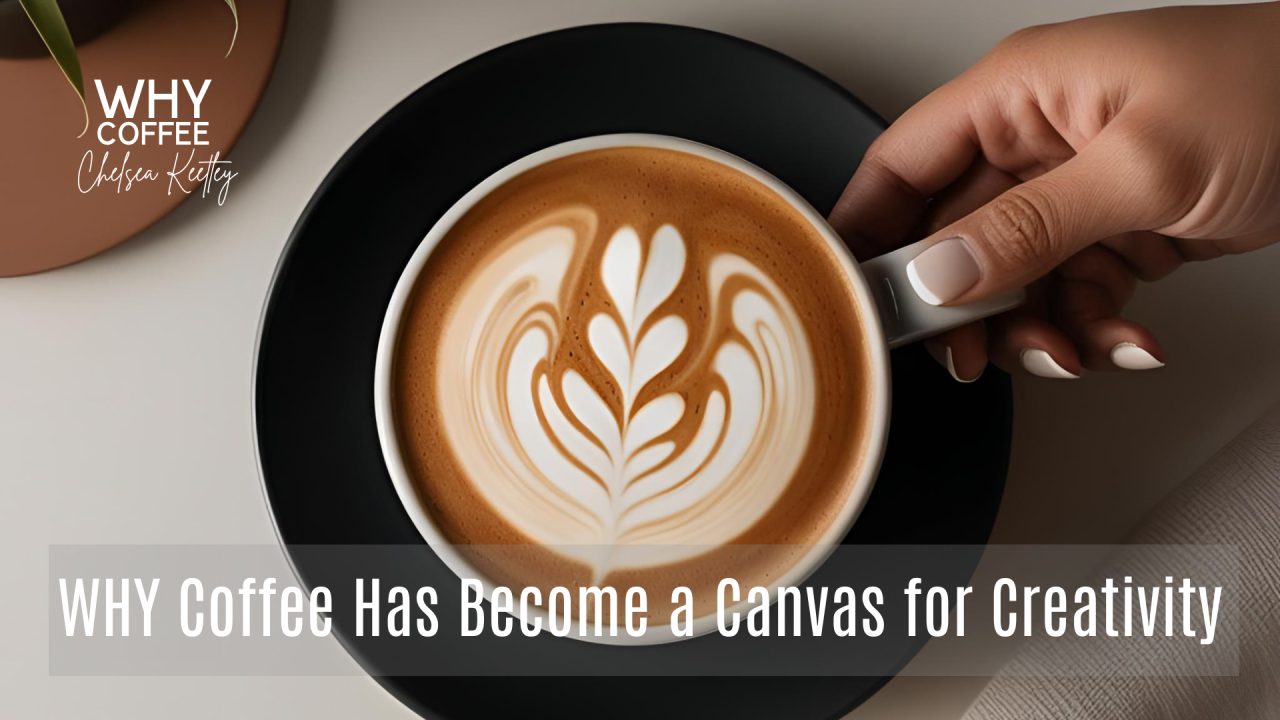
A single pour of milk, a flick of the wrist, and suddenly—an intricate rosetta blooms on the surface of a cappuccino. What was once just a morning ritual has transformed into a global art form. From intricate latte designs to high-stakes barista competitions, coffee culture blends skill, precision, and artistry, turning a simple cup into an experience. But how did coffee go from a simple drink to a platform for creativity?
The Origins of Latte Art
Modern latte art emerged from two key coffee cultures—Italy and the United States—each contributing uniquely to its development.
Italy: The Foundation of Espresso and Micro-foam
Italy, the birthplace of espresso, laid the groundwork for latte art with its mastery of rich, crema-laden shots and perfectly textured milk, known as micro-foam. While early Italian baristas may have unintentionally created simple patterns, their primary focus was on taste and texture rather than aesthetics.
Seattle: The Latte Art Revolution
The deliberate practice of latte art is widely credited to David Schomer, a Seattle-based coffee pioneer. In the 1980s, Schomer, founder of Espresso Vivace, began experimenting with milk-pouring techniques that allowed baristas to “paint” on espresso. Inspired by Italian espresso culture, he refined his skills and documented precise methods for controlling microfoam flow. By the late 1980s and early 1990s, he had perfected classic designs like the heart and rosetta, shaping modern latte art.
At the same time, Italian barista Luigi Lupi independently developed similar techniques. Eventually, Schomer and Lupi connected, helping to spread latte art globally and establish it as a recognized barista skill. With these foundations in place, latte art didn’t just remain a barista’s skill—it became a cultural phenomenon.
Latte Art: Why is it popular?
Latte art has grown from a niche skill to a global trend for several reasons:
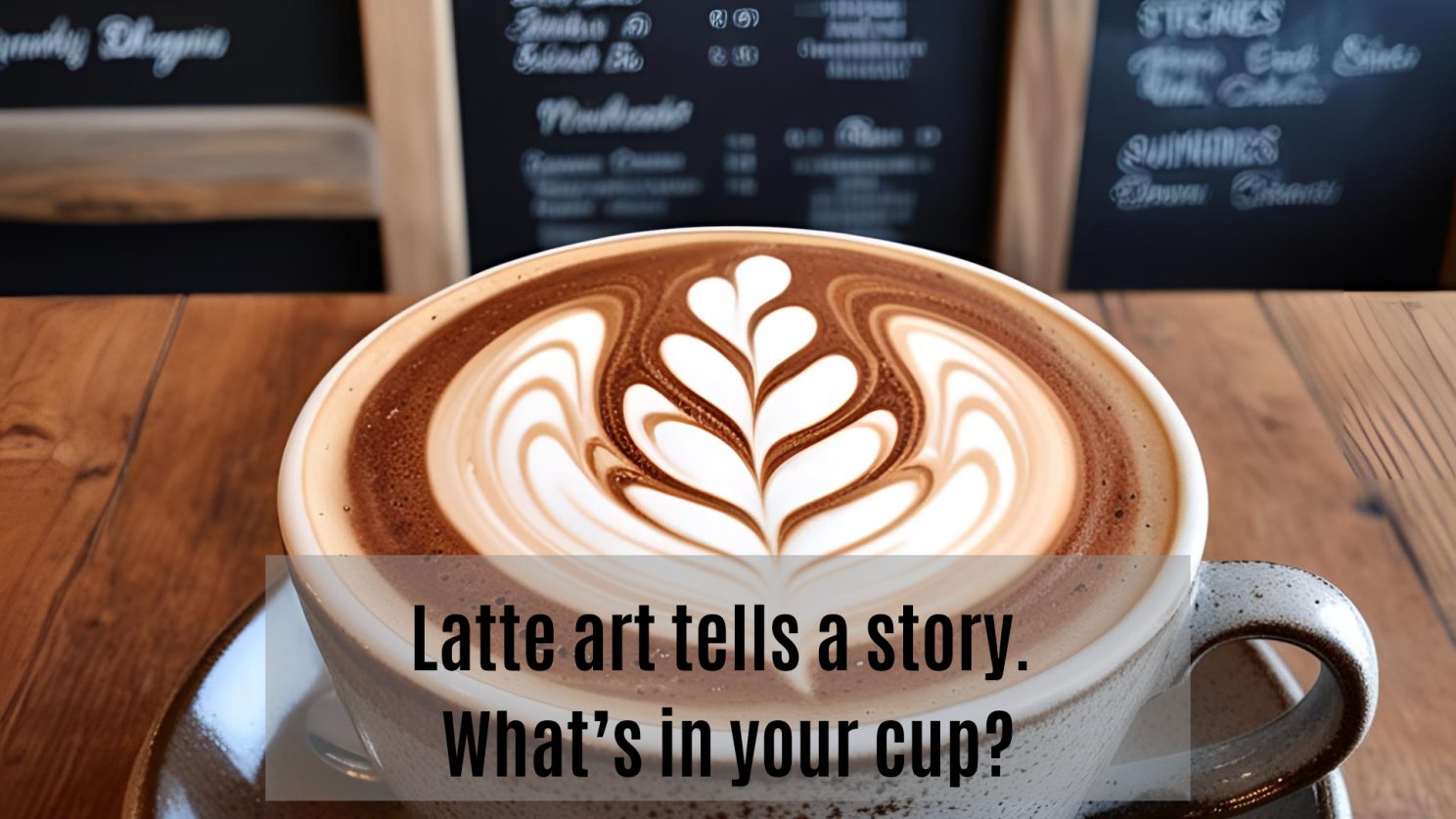
● The Visual Appeal: Coffee as an Experience People don’t just drink coffee—they experience it.
Beautifully crafted latte art turns an ordinary cup into something special. The rise of Instagram and social media has further fuelled its popularity, with millions of coffee-related posts showcasing everything from delicate rosettas to whimsical 3D foam creations.
● The Barista as an Artist
As specialty coffee culture has evolved, so has the role of the barista. No longer just servers, baristas are now regarded as skilled artisans. Latte art has become a mark of expertise, and competitions like the World Latte Art Championship have solidified coffee as a legitimate art form, pushing baristas to refine their techniques and innovate.
● Craftsmanship and Quality Perception
Great latte art isn’t just visually appealing—it also signals a well-made coffee. To create intricate patterns, a barista must master milk steaming, espresso extraction, and precise pouring, all of which contribute to a well-balanced, high-quality drink. Many specialty coffee shops use latte art as a symbol of quality, reassuring customers that their coffee was prepared with skill and care.
● Personalisation and Connection
Latte art allows for customisation, whether it’s a heart on a date’s cappuccino or a special birthday message. Some cafés even use AI-powered latte printers to create personalised designs, such as customer-requested images or logos, making the coffee experience more interactive and memorable.
This growing appreciation for latte art has led to another level of coffee artistry—barista competitions, where creativity meets performance.
Barista Competitions: Coffee Meets Performance
Beyond the café, baristas are taking coffee artistry to the next level through high-energy, precision-driven competitions. Events like the World Barista Championship (WBC), World Brewers Cup (WBrC), World Cup Tasters Championship (WCTC), and Cezve/Ibrik Championship (CIC) challenge competitors to brew exceptional coffee while demonstrating technique, creativity, and presentation under intense pressure. This year, from June 21-24, the World Coffee Championships (WCC) brought 140 national champions to Athens, Greece, where they competed at the highest level of coffee excellence. Congratulations to Boram Um, the 2023 World Barista Champion, for taking home the title!
In these competitions, baristas must prepare multiple drinks—such as espressos, milk-based beverages, and signature drinks—within strict time limits, all while impressing expert judges. Criteria include espresso extraction, milk texturing, flavour balance, artistic presentation, and even storytelling behind their coffee choices. The Latte Art World Championship, in particular, pushes the boundaries of design, with baristas free-pouring intricate patterns like swans, tulips, and multi-tiered rosettas. Some take it even further, using etching tools to create hyper-detailed portraits or experimenting with 3D latte art, sculpting foam into playful and elaborate shapes.
Barista competitions don’t just celebrate individual talent—they drive innovation across the entire coffee industry. Techniques and trends introduced in these events, such as alternative milk textures, unique infusion methods, and precision-based extractions, often make their way into specialty cafés, influencing how coffee is crafted and enjoyed globally. Events like the WCC also bring together industry heavyweights and coffee producers, fostering collaboration and pushing the craft forward
How is Coffee Art Evolving?
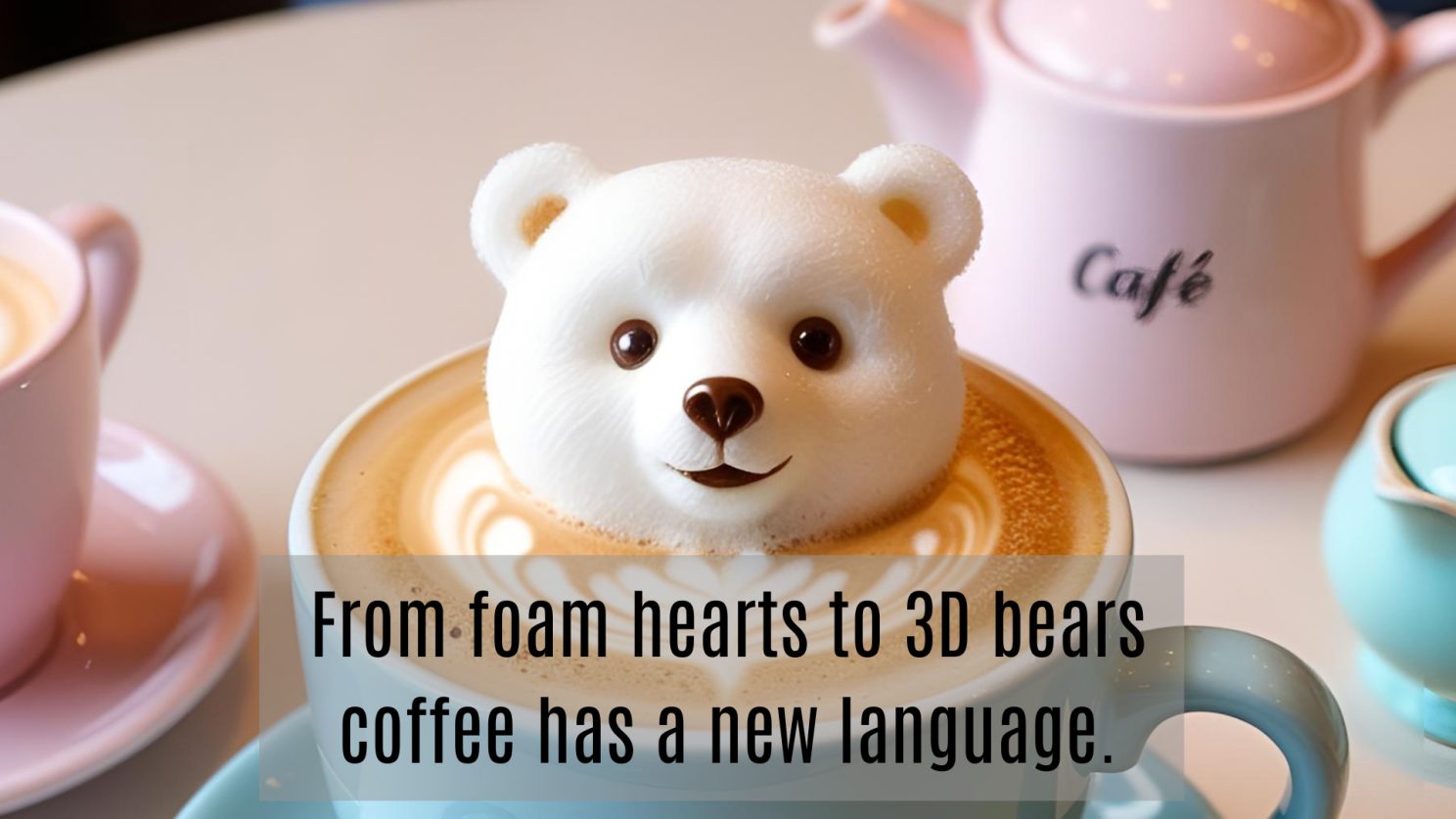
● 3D Latte Art Some baristas have taken latte art to another level, sculpting 3D foam figures like animals, flowers, or even tiny characters sitting atop the cup. This trend, which originated in Japan, has since spread to specialty cafés worldwide.
● Etching and Coloured Latte Art Beyond free-pouring designs, baristas now use fine tools (like toothpicks or skewers) to etch intricate details into foam. Some incorporate food-safe dyes, matcha, or charcoal powders to create vibrant, multi-coloured designs.
● AI and Coffee Printing New technology has introduced latte art printers, capable of replicating high-definition images, logos, or even customer selfies on the surface of a coffee. While some purists argue this removes the handcrafted element, others see it as an exciting evolution in coffee customisation.
The Future of Coffee Art
Latte art has transcended the coffee cup to become a global phenomenon, blending skill, aesthetics, and personal expression. As the coffee industry continues to innovate, new artistic trends will emerge, combining traditional craftsmanship with cutting-edge technology.
At its heart, coffee art is a celebration of human creativity within coffee culture. From a simple heart in your morning cappuccino to a championship-winning masterpiece, latte art elevates an everyday ritual into a sensory experience—one that delights both the eyes and the palate. As the boundaries of coffee artistry continue to expand, one thing is certain: coffee is no longer just a beverage; it’s an evolving canvas. Whether skilfully crafted by a barista or precision-printed by AI, each design transforms an ordinary cup into something memorable.
So, the next time you sip a beautifully poured latte, pause for a moment and ask yourself—what story is in your cup?
This article was crafted by Chelsea Keetley. Chelsea has spent the last four years immersed in the world of coffee, turning her passion into a mission to share the stories behind every cup. Whether perfecting a brew or exploring sustainable coffee practices, she’s driven to spark curiosity and connection in every sip.